Overgrowth Controlled Without Hauling Everything Away
On-Site Brush Shredding & Cutting in La Feria for ranches, pastures, and large acreage overtaken by dense brush and woody vegetation
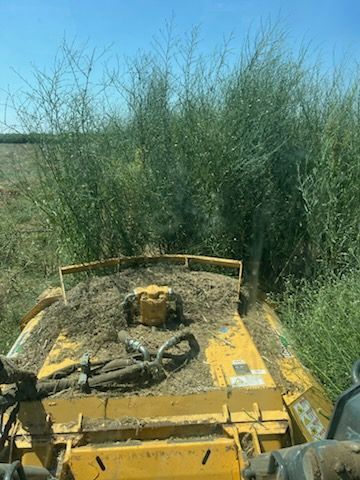
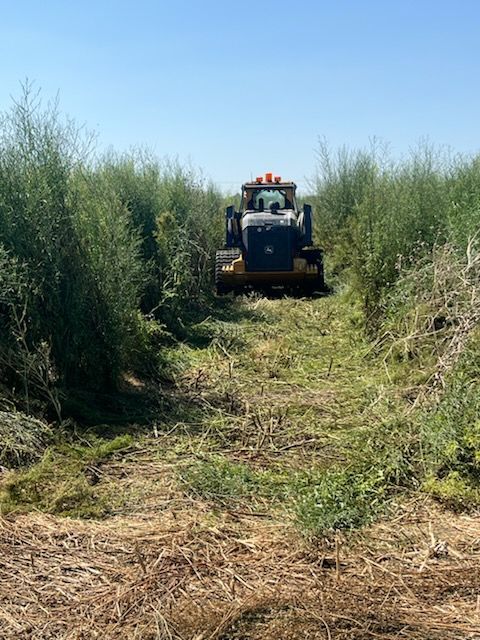
Dense brush and woody vegetation restrict access to pastures, fence lines, and ranch roads across properties in The Rio Grand Valley, making routine maintenance impossible and limiting grazing areas. M & Z Brush Shredding processes overgrowth mechanically on-site using rotary cutting equipment that shreds brush into natural ground cover instead of requiring hauling and disposal. The shredded material decomposes over time, returning organic matter to the soil while eliminating the labor and cost of debris removal.
Mechanical shredding addresses properties where brush has grown too thick for livestock to move through or where access roads have become impassable due to encroaching vegetation. The process disturbs soil less than bulldozing or root removal because vegetation is cut and mulched in place rather than scraped or excavated, preserving topsoil structure and reducing erosion risk on sloped terrain.
Request an assessment for overgrown land to evaluate brush density and equipment access before shredding begins.
How Brush Shredding Addresses Overgrowth
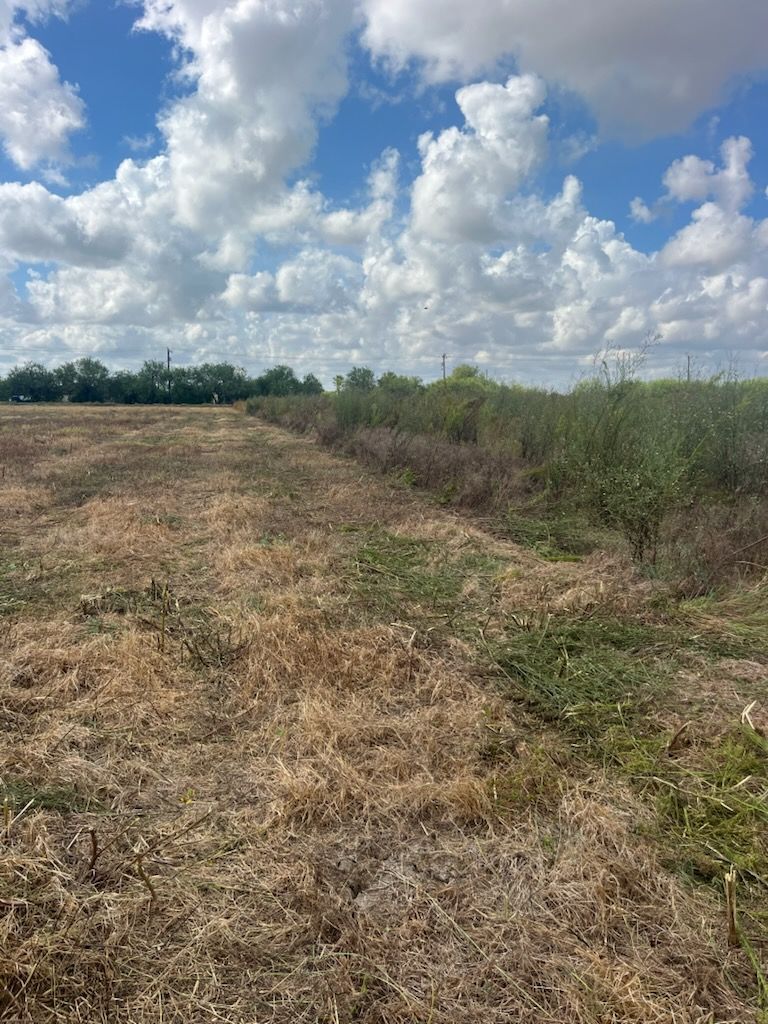
Rotary cutting equipment processes brush and woody vegetation into small fragments that settle into the soil surface as mulch. The shredded material covers bare ground, reducing weed growth and protecting topsoil from sun exposure and wind erosion. Unlike clearing methods that remove all vegetation and leave exposed soil, shredding maintains ground cover while eliminating the vertical obstruction that blocks access and movement.
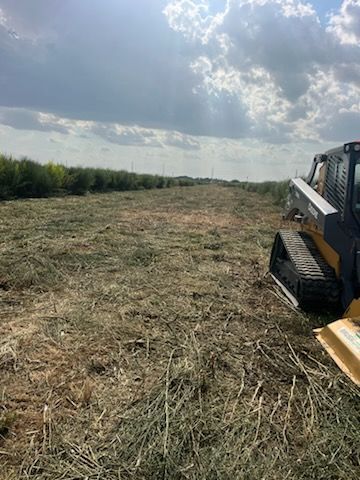
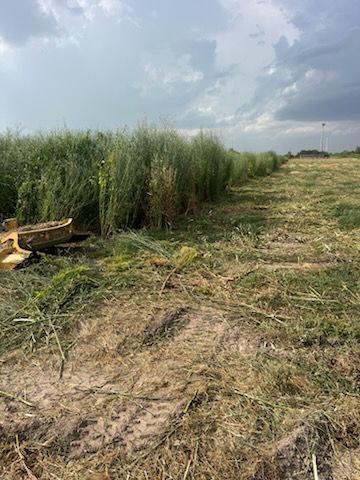
After shredding is complete, you see open pathways where vehicles and livestock can move freely, and fence lines become accessible for repair and maintenance. Vegetation that once stood six feet tall or higher is reduced to ground-level mulch, and the property looks maintained rather than abandoned.
Shredding works best for properties where the goal is improved access and long-term maintenance rather than complete land clearing for construction. The service does not remove root systems or stumps, so regrowth is possible depending on vegetation type and how aggressively roots regenerate after cutting.
Common Questions About This Service
Ranch and property owners dealing with overgrowth often ask how shredding differs from other clearing methods and what results they can expect after the work is finished.
What types of vegetation can be shredded on-site?
Rotary cutting equipment handles brush, mesquite regrowth, prickly pear, small saplings, and dense undergrowth up to several inches in diameter, though larger trees may require different removal methods.
How does shredding reduce soil disturbance?
Vegetation is cut at ground level and mulched in place rather than uprooted or scraped, so topsoil remains intact and erosion risk is minimized compared to methods that expose bare dirt.
When is shredding preferred over complete clearing?
Shredding works well when the goal is improved access and maintenance rather than preparing land for construction, and when keeping organic material on-site benefits soil health and reduces disposal costs.
How long does shredded material take to decompose?
Decomposition speed depends on climate and material type, but in The Rio Grand Valley's heat and seasonal moisture, shredded brush typically breaks down within several months to a year.
What changes after shredding is complete?
Properties become passable for vehicles and livestock, fence lines are accessible again, and the land looks maintained instead of neglected, though some regrowth may occur depending on root systems left in place.
M & Z Brush Shredding evaluates brush density and terrain conditions to determine whether shredding or another approach best fits your property goals. Schedule an on-site assessment to review options for overgrown pastures, homesites, or ranch acreage.